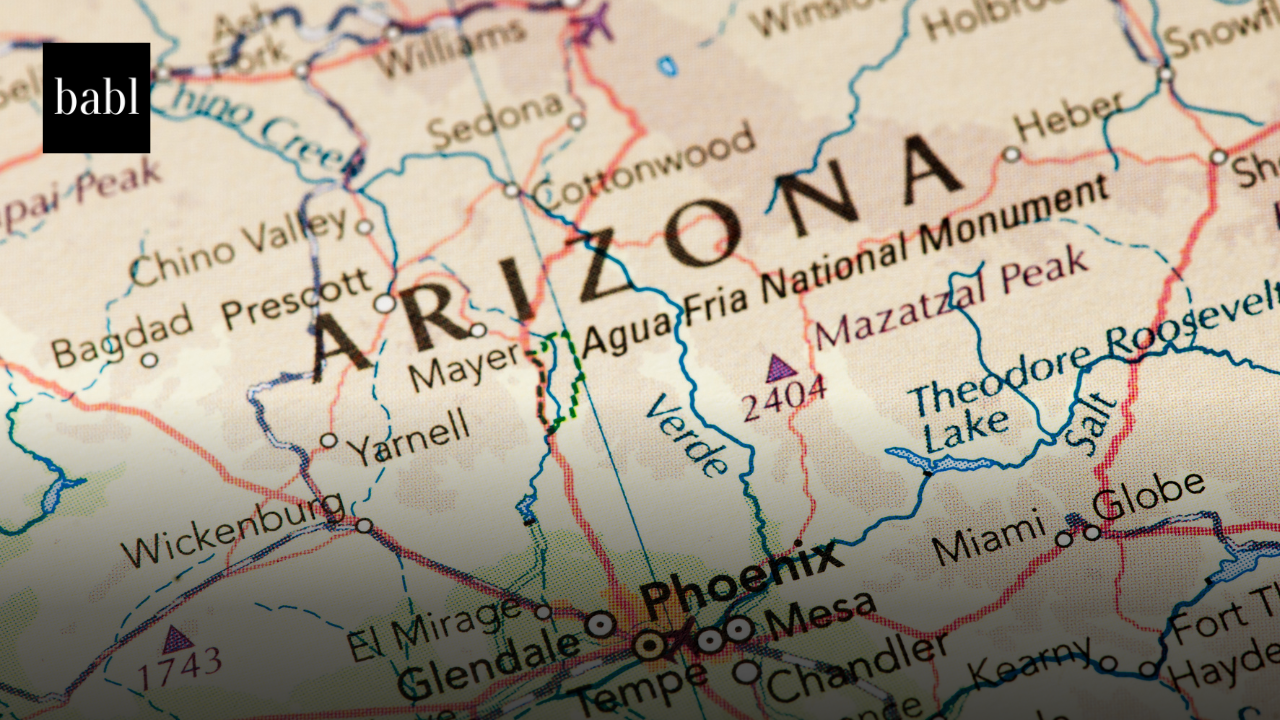

On May 21, Arizona Governor Katie Hobbs signed House Bill 2394, a landmark piece of legislation aimed at addressing the rising threat of digital impersonation through artificial intelligence. However, it’s the way the law was written that is grabbing attention. Representative Alexander Kolodin, the bill’s author, revealed on social media about how he used ChatGPT to help him craft the new statute, which introduces significant measures to protect individuals, especially candidates for public office, from malicious AI-driven impersonations.
Core Provisions of the Law
At the heart of the legislation is Section 16-1023, which creates a new cause of action. Victims of digital impersonation can now seek injunctive relief within two years of discovering the impersonation. This aims to give victims a timely remedy to stop the spread of harmful content.
To succeed, plaintiffs must prove two points:
-
The impersonation was published without their consent.
-
A reasonable person could not easily tell that the impersonation was fake.
This includes cases where publishers failed to make it clear that the content was generated or where the impersonation was deceptively convincing.
For paid advertisements, lawsuits can only target the originator, placer, or payer of the ad.
Role of Internet Platforms
The law also addresses the liability of interactive computer service providers. These platforms are shielded from lawsuits for publishing third-party content. This protection mirrors existing U.S. internet law and reflects a balance between protecting victims and preserving free speech online.
Fast-Track Court Procedures
Time is critical in election seasons. The law sets up a rapid response mechanism. When a complaint and motion for preliminary declaratory relief are filed, courts must rule within two days, excluding weekends and holidays. This expedited process is designed to limit the damage from impersonations during sensitive periods.
Standards for Relief
Courts may grant preliminary relief under specific conditions:
-
Upcoming elections.
-
Depictions of sexual acts or criminal behavior.
-
Significant financial or personal hardship.
-
Risk of irreparable damage to reputation.
Relief is available only for serious, well-substantiated claims.
Beyond declaratory relief, the law also allows for injunctive relief and damages. This applies in cases where impersonations are explicit or offensive, involve non-public figures, and the publisher knowingly failed to act.
The burden of proof shifts depending on the relief sought. Plaintiffs must meet a high standard for preliminary orders and a lower standard for permanent relief.
Narrow Scope to Protect Free Speech
The law directs courts to interpret its provisions narrowly. Its goal is to curb harmful impersonation without restricting satire, artistic work, or political speech. The statute applies to all Arizona elections and defines key terms to clarify scope and application.
Need Help?
You might be wondering how Arizona’ bill, or any other AI bill around the world, could impact you. Therefore, don’t hesitate to reach out to BABL AI. Their Audit Experts are ready to provide valuable assistance while answering your questions and concerns.