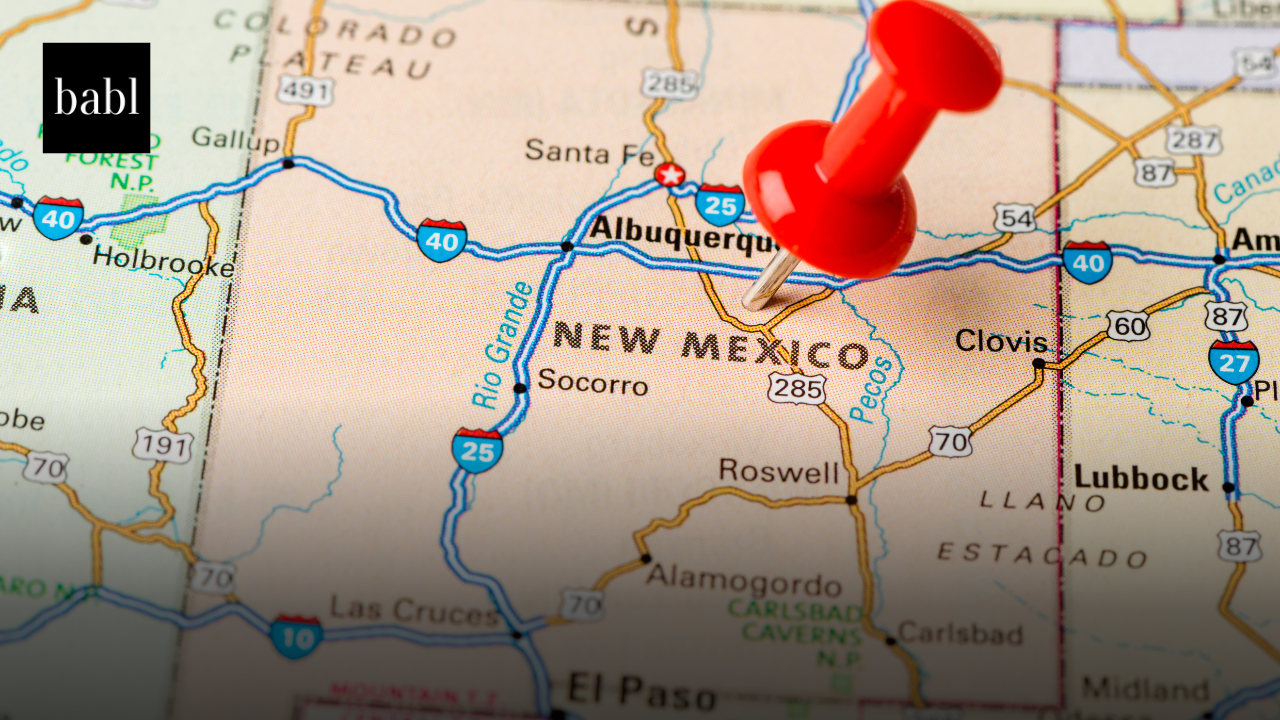

With less than 70 days until the 2024 U.S. Presidential Election, a new law in New Mexico could reshape campaign advertising. House Bill 182 (HB 182), which took effect on May 15, requires political campaigns to disclose when they use artificially generated content containing false or misleading information. The legislation is part of a growing national effort to protect voters from AI-driven deception in political messaging.
Aiming for Transparency in AI-Generated Campaign Content
Governor Michelle Lujan Grisham signed HB 182 into law on March 5, 2024, following its passage during the state’s legislative session. The law mandates that campaigns must disclose the use of AI-generated images, videos, or audio in ads that present deceptive information. As AI tools become more sophisticated, policymakers are increasingly concerned about deepfake content that manipulates candidates’ voices or appearances. Such technology can easily mislead voters and distort public discourse, prompting states like New Mexico to act preemptively.
Key Provisions of House Bill 182
HB 182 establishes new standards for transparency and accountability in political advertising. Campaigns must include clear disclaimers whenever AI-generated material is used to deceive or mislead. For video or image-based ads, the disclaimer must remain visible throughout the content and be easy to read. For audio-only messages, it must be spoken at both the beginning and end — and repeated at intervals if the message exceeds two minutes. These requirements aim to ensure that voters immediately understand when digital manipulation is involved.
Enforcement and Oversight
The New Mexico Ethics Commission and the Secretary of State’s Office share responsibility for enforcing HB 182. The Ethics Commission, which already enforces the Campaign Reporting Act, will lead investigations into possible violations. Residents can submit either formal administrative complaints or informal, anonymous tips. Formal complaints trigger structured investigations, while tips allow the Commission to conduct internal reviews before deciding whether to pursue legal action. The Secretary of State’s Office can also receive complaints about missing disclosures, but it often refers them to the Ethics Commission under an inter-agency agreement. Although the law does not allocate new funding for enforcement, both agencies are preparing for additional oversight duties.
Statewide Voter Education Effort
As New Mexico prepares to enforce HB 182, the Secretary of State’s Office is launching a statewide public education campaign to inform voters about AI’s influence in elections.
Need Help?
If you have questions about New Mexico’s new AI disclosure law—or any AI regulation in the U.S. or abroad—reach out to BABL AI. Their Audit Experts can help you understand compliance requirements and navigate the evolving landscape of AI legislation.