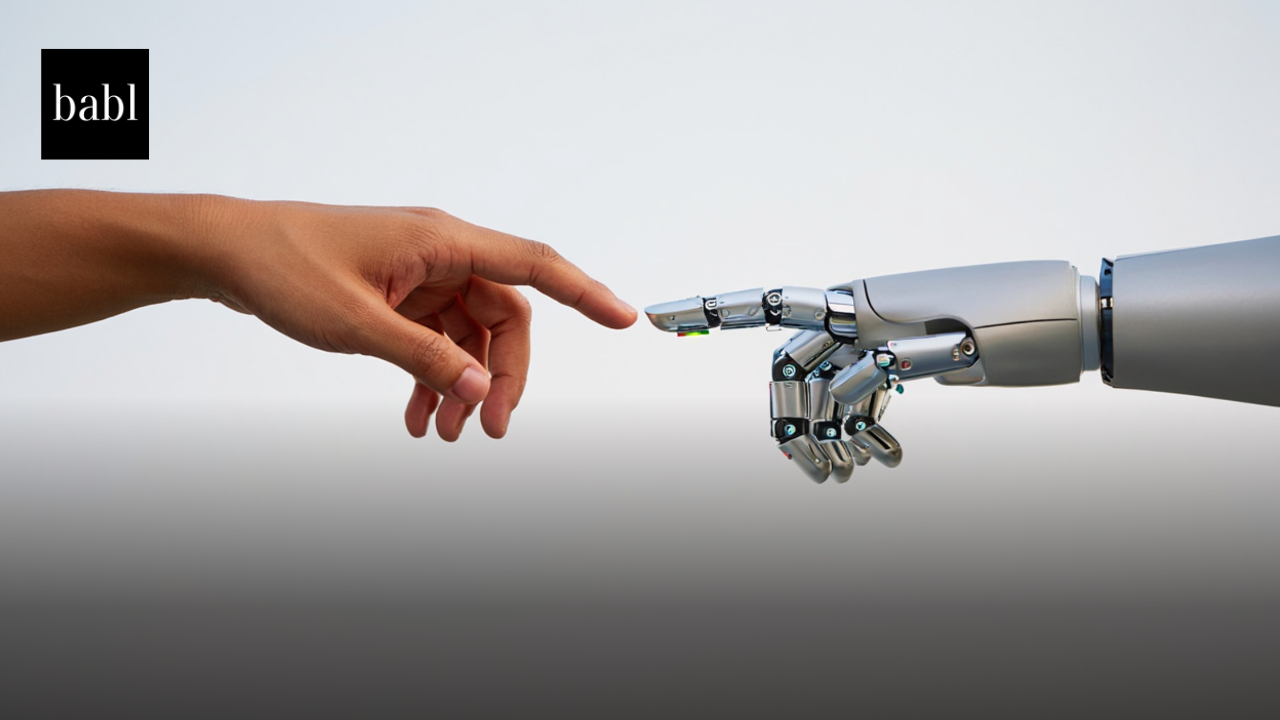


The U.S. Patent and Trademark Office (USPTO) has issued new inventorship guidance for AI-assisted inventions, formally rescinding and replacing its 2024 policy and providing the clearest standards to date on how the agency will evaluate patents developed with the help of artificial intelligence.
The update withdraws the USPTO’s earlier approach, which relied on the Pannu factors—legal criteria used to determine whether multiple humans are joint inventors. The agency said those standards were never intended for cases involving AI systems because AI is not a person and therefore cannot be a joint inventor.
Instead, examiners must now apply the same legal test used for any invention: whether a natural person formed a “definite and permanent” idea of the claimed invention, a requirement known as conception. The guidance reiterates the Federal Circuit’s 2022 ruling in Thaler v. Vidal, which held that AI systems cannot be listed as inventors on patent applications.
AI tools—whether generative models, computational systems, or robotics—are to be treated as instruments that assist human inventors, the USPTO said. The key question is whether the human involved possessed a complete mental picture of the invention and could describe it with specificity. If multiple humans contribute, traditional joint-inventorship rules still apply.
The guidance also clarifies how these rules apply to design patents, plant patents, and applications claiming priority to foreign filings. Any application naming an AI system as the sole inventor will be rejected, and U.S. filings claiming priority to foreign patents must list at least one human inventor in common.
USPTO officials said the updated framework is intended to give applicants clarity as AI becomes increasingly embedded in research and development. The agency emphasized that the inventorship standard remains unchanged: only natural persons can conceive an invention and therefore only natural persons can be named as inventors.
Need Help?
If you have questions or concerns about any global guidelines, regulations and laws, don’t hesitate to reach out to BABL AI. Their Audit Experts can offer valuable insight, and ensure you’re informed and compliant.