
UPDATE – FEBRUARY 2026:
The G7 and UNDP collaboration on AI for sustainable development in Africa has moved from planning into active implementation. The most significant development was the official launch of the G7-endorsed AI Hub for Sustainable Development in June 2025, hosted in Rome by UNDP and Italy’s Ministry of Enterprises and Made in Italy. The launch marked a transition from consultation and co-design toward operational delivery, signaling that the initiative is now focused on real-world deployment rather than framework-building.
At launch, the AI Hub announced dozens of new partnerships involving governments, international organizations, and private-sector stakeholders, including several African countries and regional institutions. The initiative aims to strengthen African AI ecosystems by supporting investments in data infrastructure, compute access, technical talent, and governance capacity. Its work aligns with broader international priorities, including the Italy-Africa Mattei Plan and ongoing development of the African Union’s AI Strategy, reinforcing a shared emphasis on equitable AI access and sustainable growth.
The Hub’s implementation phase focuses on practical collaboration across multiple sectors, using public-private partnerships to support AI adoption tied to sustainable development goals. This reflects a broader shift in G7 engagement—from high-level principles toward measurable outcomes and deployment-focused cooperation with emerging economies. While no major new G7 or African Union policy announcements have significantly altered the initiative since its launch, the Hub continues to serve as a central platform for coordinating AI capacity-building efforts across the continent.
As of early 2026, the original goals outlined in the April 2024 Addis Ababa meetings remain intact, but the emphasis has clearly shifted toward execution, partnership expansion, and ecosystem development. The initiative continues to prioritize responsible and ethical AI deployment while aiming to strengthen Africa’s role in the global AI landscape through sustained multilateral collaboration.
ORIGINAL NEWS STORY:
G7 and UNDP Forge Alliance to Advance AI for Sustainable Development in Africa
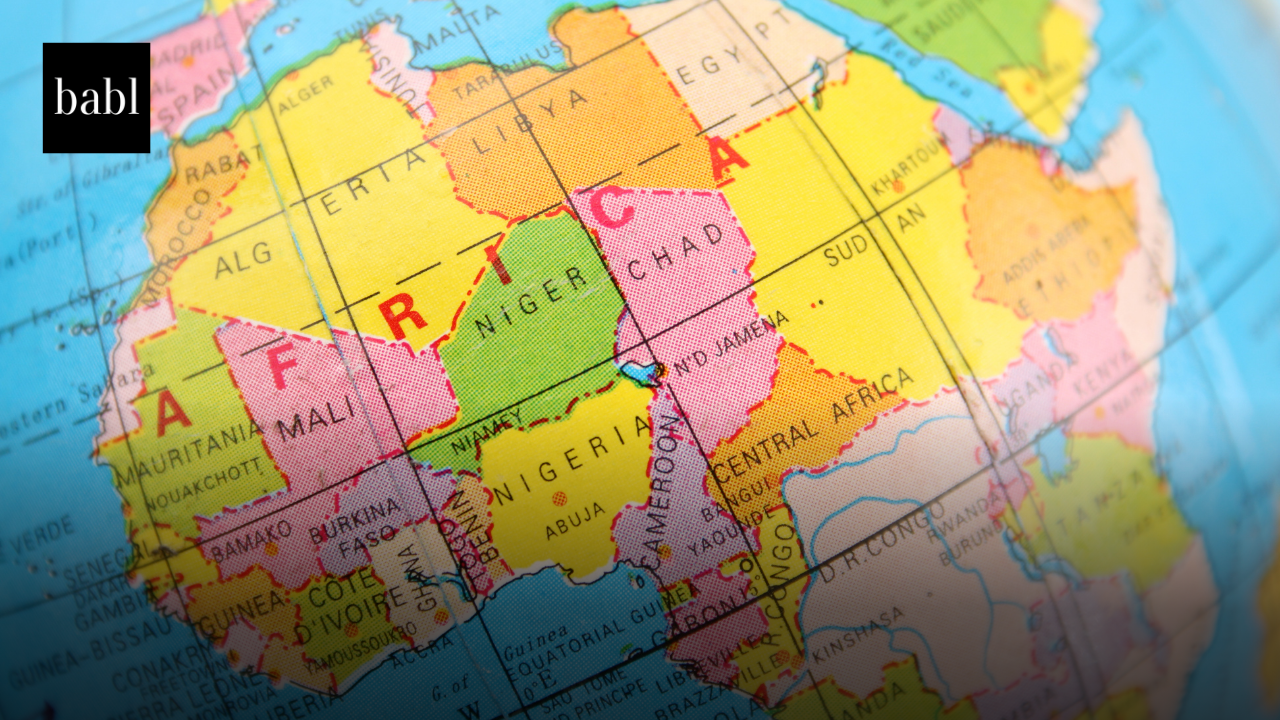
In a concerted effort to harness the potential of AI for sustainable development in Africa, the G7 Italian Presidency, in collaboration with the United Nations Development Programme (UNDP), recently concluded a series of high-level meetings with key stakeholders on April 15. The gatherings, held in Addis Ababa over two days, aimed to bolster collaboration on AI and address challenges related to equitable access to this transformative technology. The meetings, which involved African Union (AU) senior officials, African Ambassadors to the AU, the European Union Special Representative to the African Union, and representatives from the private sector, resulted in a reaffirmed commitment to strengthening cooperation on AI for sustainable development.
This initiative builds on the momentum generated by the G7 ministers’ consensus reached in Verona, Italy, on March 14. During the Verona meeting, led by Italy, participants recognized the critical need for collaborative efforts between G7 nations and developing countries to advance AI initiatives. Partnering with UNDP, the G7 Italian Presidency initiated this multi-stakeholder engagement to enhance local AI ecosystems, promote democratization of computing power, and foster responsible AI development.
Sustainable Development Goals
Central to the Addis Ababa meetings was the role of AI in achieving the Sustainable Development Goals (SDGs). Participants discussed strategies to use AI responsibly while promoting growth across Africa. For example, AU Commission Director General Fathallah Sijilmassi and UNDP officials stressed the need to equip member states with frameworks for ethical AI adoption. Meanwhile, consultations at the UNDP Regional Service Centre for Africa reinforced the importance of empowering governments with technical tools and guidance.
Furthermore, several ambassadors contributed to the dialogue. These included Ramiz Alakbarov, UN Resident and Humanitarian Coordinator; Jainaba Jagne, Ambassador of the Gambia to the AU; Javier Niño Pérez, EU Ambassador to the AU; and Mohammed Belhocine, AU Commissioner of Education, Science, Technology, and Innovation. Their engagement demonstrated the broad political support for responsible AI governance.
Infrastructure and Ecosystem Development
Vincenzo Del Monaco, Industry Working Group Co-Chair and Minister Plenipotentiary, led the G7 Italian Presidency delegation. He reaffirmed the G7’s focus on addressing Africa’s infrastructure challenges in AI development. According to Del Monaco, the proposed AI Hub for Sustainable Development aims to spark systemic change and accelerate progress toward the SDGs. In addition, it will serve as a collaborative space for industry, academia, and start-ups.
Conclusion
Looking ahead, the G7 Italian Presidency and UNDP will continue their engagement with African leaders. Together, they plan to co-design the AI Hub for Sustainable Development, an initiative that could drive innovation while supporting the SDGs. As a result, Africa and its partners may achieve both sustainable growth and a stronger position in the global AI economy.
Need Help?
If you have questions or concerns about AI guidelines, regulations and laws, don’t hesitate to reach out to BABL AI. Their Audit Experts can offer valuable insight, and ensure you’re informed and compliant.