
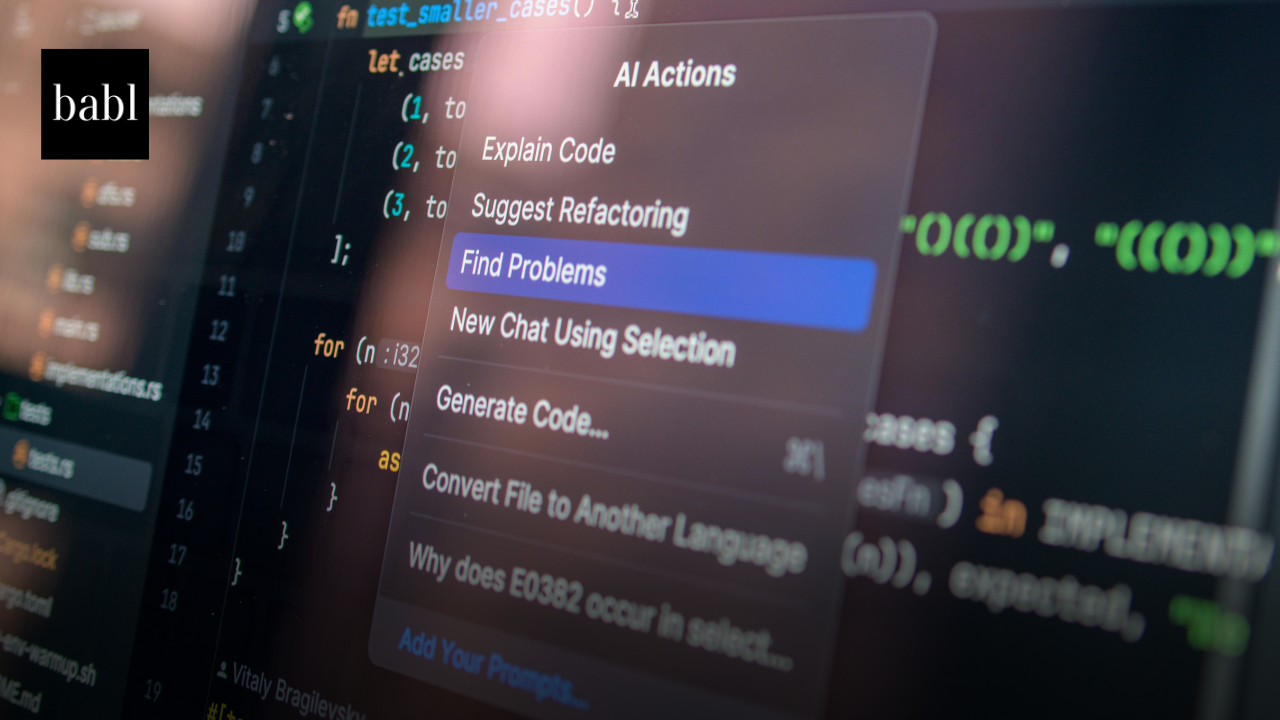

Artificial intelligence is rapidly transforming not only industries and daily life, but also the process of building new AI systems themselves, according to a new report from the Center for Security and Emerging Technology (CSET) at Georgetown University. The report, titled “When AI Builds AI,” finds that frontier AI developers are increasingly using AI tools to accelerate research and development, potentially reshaping the pace and trajectory of technological progress.
The report highlights how leading AI companies are already deploying AI systems to assist with tasks such as designing new model architectures, optimizing training methods, writing code, analyzing experiments, and even developing specialized hardware. These applications allow researchers to work faster and more efficiently, reducing the time required to test ideas and refine models.
Researchers describe this trend as “AI R&D automation,” referring to the growing use of AI to perform tasks traditionally handled by human engineers and scientists. While AI is not yet fully capable of independently developing new AI systems, the report concludes that automation is advancing steadily and may play a larger role in the near future.
However, the report cautions that experts remain divided on how much this automation will accelerate AI progress. Some analysts believe AI-assisted development could significantly speed innovation, while others argue progress may eventually slow due to technical limitations or diminishing returns. This uncertainty makes it difficult to predict whether AI development will follow a gradual trajectory or experience rapid breakthroughs.
The study also warns that limited transparency from AI companies makes it difficult to assess how quickly AI R&D automation is advancing. Much of the available information comes from voluntary disclosures, which may provide only a partial picture. Researchers say better indicators and more systematic reporting could help policymakers and the public better understand AI’s development trajectory.
The report emphasizes that understanding AI-driven automation of AI development is critical for governance and security planning. As AI becomes more capable of improving itself, it could reshape technological competition, economic productivity, and global security dynamics.
Ultimately, the authors conclude that improving transparency and monitoring progress will be essential for managing the opportunities and risks posed by increasingly autonomous AI research systems.
Need Help?
Keeping track of the growing AI regulatory landscape can be difficult. So if you have any questions or concerns, don’t hesitate to reach out to BABL AI. Their Audit Experts can offer valuable insight, and ensure you’re informed and compliant.