
UPDATE – FEBRUARY 2026:
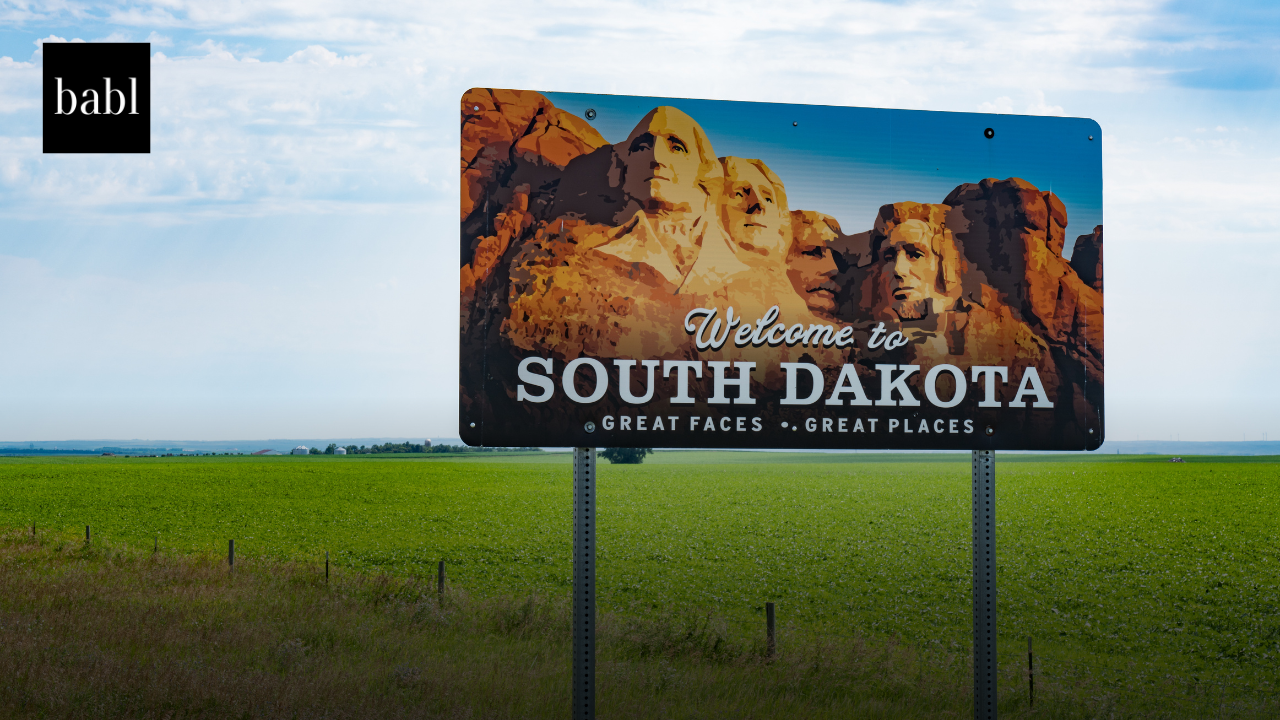
South Dakota ultimately enacted legislation addressing deceptive election deepfakes after the failure of SB96 in 2024. In 2025, lawmakers passed Senate Bill 164 (SB164), a successor bill that closely mirrors the original proposal. SB164 was introduced in January 2025, passed both chambers by March 2025, and was signed into law the same month.
The new law prohibits the dissemination of materially deceptive deepfakes within 90 days before an election if done with intent to injure a candidate or influence the election outcome and where the distributor knows or reasonably should know the content is a deepfake. Like SB96, the law includes exemptions for satire, parody, and bona fide news broadcasts, provided appropriate disclosures are made.
SB164 maintains misdemeanor penalties (Class 1), carrying potential fines and up to one year of imprisonment. It also allows candidates or depicted individuals to seek injunctive relief and civil damages. An affirmative defense remains available if the content includes a clear and conspicuous disclosure stating that the image, video, or audio has been digitally generated or manipulated.
As of early 2026, SB164 remains in effect, and no additional amendments or successor bills have been enacted. South Dakota is now among the states with an enforceable pre-election deepfake restriction framework.
ORIGINAL NEWS STORY:
South Dakota Bill Targets Deceptive Election Deepfakes
South Dakota Senate Bill 96 (SB96) aims to prohibit the use of deepfakes to influence elections in the state.
The bill defines a deepfake as any image, audio, or video that artificial intelligence or digital technology creates or manipulates so realistically that a reasonable person would believe it depicts the actual speech or conduct of an individual who did not engage in that speech or conduct. The core prohibition makes it illegal for any person, with the intent to injure a candidate or influence an election result, to disseminate a deepfake or enter into an agreement to disseminate one within 90 days before an election, if they know or reasonably should know the item is a deepfake.
Exemptions Under the Proposed Law
There are some exemptions to this prohibition:
- If the deepfake constitutes satire or parody.
- If a broadcaster airs a deepfake as part of a bona fide news program and clearly acknowledges there are questions about its authenticity. Or if they are paid to broadcast it.
- If a website, newspaper, magazine or other general publication routinely carrying news publishes a deepfake, as long as they clearly state it does not accurately represent the speech or conduct depicted.
- The attorney general, an injured or likely-to-be-injured candidate, or the individual depicted in a prohibited deepfake can seek injunctive or other equitable relief to prohibit its dissemination.
The law classifies a violation as a Class 1 misdemeanor. The court can hold a person who disseminates a prohibited deepfake liable to the candidate and depicted individual for damages, costs, attorney fees, and any other relief it deems proper. The plaintiff bears the burden of establishing deepfake use by clear and convincing evidence. This does not limit other causes of action.
A person can claim an affirmative defense if the deepfake includes a disclosure stating: “This (image/video/audio) has been digitally generated or manipulated and is not an accurate representation of fact or actual events.” The disclosure must appear in a reasonably large font superimposed on images or videos. Also, the broadcaster must clearly state it at the beginning and end of audio.
According to the Mitchell Republic, SB96 cleared the state Senate on Tuesday, February 13. It now heads to the state House. Before passage, lawmakers removed an emergency clause. That emergency clause would have made the bill’s impact immediate, in time for the state’s June primary. If the governor signs it, the bill will take effect on July 1.
Need Help?
If you’re worried about how AI laws and regulations could impact you or your business, reach out to BABL AI. Their team of Audit Experts is ready to offer valuable insight while addressing any questions or concerns you may have.